

Know Your Milk

Importance of Milk
Milk is nature’s ideal food for infants and growing children. It contains all the nutrients required for normal growth. The importance of milk in our diet has been recognized since Vedic times, and all modern research has only supported and reinforced this view. It supplies almost all the essential nutrients in significant amounts, more than any other single food. It is essential for the growth and development of infants. It is not just an important food during early childhood but, in one form or the other, continues to provide benefits throughout life. In fact, milk is now considered not only desirable but essential from the time the child is born. The baby is recommended to be breast-fed until it is weaned and thereafter given cow/buffalo/goat milk till he or she reaches 12 years of age.
Milk should find a place in any balanced diet, particularly in a vegetarian diet, to provide some good quality protein, sufficient calcium and riboflavin which are difficult to obtain in adequate quantities solely from plant foods. The National Institute of Nutrition has recommended a minimum of 300g daily intake of milk for children between 1-3 years of age and 250g for those between 10-12 years.
Essential Nutrients in Milk
Energy:
Foods provide us with energy in the form of calories (Kcal). Calories effectively act as the fuel that powers our bodies and enables us to function, in the same way that petrol fuels a car.
Milk can be described as “nutrient dense” relative to its energy content as it is such a good source of many vitamins and minerals. Higher calorie milks are more suitable for those who have increased energy requirements e.g. children and adolescents, or those with poor appetites who need nutrient dense foods to provide as many calories as possible in small amounts e.g. the elderly. Lower calorie milks are suitable for the majority of the population and are especially useful when consumed as part of a calorie controlled diet for contributing to weight loss.

Protein:
Protein is essential for growth and repair of tissues and for the production of hormones and enzymes which are essential to the correct functioning of the body. Milk is a source of “high biological value” protein – which means that it provides us with all the essential amino acids that the body cannot make itself.
Carbohydrate:
Carbohydrates provide the body with energy required for most functions in the body. The form of carbohydrate found in milk is known as lactose and is the least damaging sugar with regards to tooth decay. For this reason, plain milk and water are the only 2 drinks recommended by dentists to be safe to consume between meals.
Fat:
Fat is required for many functions in the body including storage and provision of energy, production of hormones, protection, warmth and provision of fat soluble vitamins amongst many others.
The fat in milk contributes unique characteristics to the flavour, texture, appearance and satiability of dairy foods as well as providing a source of fat soluble vitamins, essential fatty acids and other health promoting compounds.
Fat soluble vitamins
Vitamin A:
Vitamin A is required for good vision, immune health and for normal growth and development of body tissues.
Vitamin D:
Vitamin D plays an important role in the absorption of calcium and phosphorus and is essential for healthy bones and teeth.
Water soluble vitamins:
B vitamins:
Milk contains appreciable amounts of many of the B vitamins, and is particularly rich in vitamin B12.
Vitamin B12:
Vitamin B12 is required for maintenance of healthy nerves and red blood cells, energy production and normal cell division.
Thiamin (vitamin B1) and riboflavin (vitamin B2) are also present in milk.
Thiamin (vitamin B1):
Thiamin (vitamin B1) is necessary for carbohydrate metabolism, neurological and cardiac function.
Riboflavin (vitamin B2):
Riboflavin (vitamin B2) is necessary for the release of energy from foods and healthy membranes and skin.
Niacin:
Niacin is involved in energy metabolism, the recommended amount for children and adults is 6.6mg/1000kcal and milk provides an individual with up to 3% of the daily requirement for niacin.
Folate:
Folate is an important vitamin essential for cell division and correct development of tissues.
Pyridoxine (Vitamin B6):
Pyridoxine (Vitamin B6) is an essential vitamin involved in protein metabolism and is required for the formation of red blood cells and for maintaining a healthy immune and nervous system.
This vitamin is only present in small amounts in milk.
Vitamin C:
Vitamin C is required for the correct structure and maintenance of blood vessels, cartilage, muscle and bone.
Calcium:
Milk is a source of calcium, which is essential for the healthy growth and maintenance of teeth and bones and is a vital function in blood clotting and muscle contraction.
Zinc:
Zinc is a constituent of many enzymes in the body; its role is to fight infections, growth development, wound healing and for our sense of taste.
Phosphorus:
The main sources of phosphorus come from milk and milk products. It is the second most abundant mineral in the body and plays a vital role in calcium and protein metabolism. Phosphorus is also essential for healthy bones and teeth as well as cell membrane structure, tissue growth and regulation of pH levels in the body.
Magnesium:
Potassium:
Potassium is mainly present in the fluid of the cells in the body and is important for fluid balance, muscle contraction, nerve conduction as well as for the correct functioning of the heart.
Other minerals:
Sodium, selenium and iron are also found in milk in low levels.
Health Benefits of Milk
Bone health:
Milk and dairy products are providers of calcium, phosphorous, magnesium and protein which are all essential for healthy bone growth and development.
Adequate consumption of milk and dairy from early childhood and throughout life can help to make the bones strong and protect them against diseases like osteoporosis (a debilitating, brittle bone disorder) in later life.
Teeth:
The amounts of calcium and phosphorous in milk and dairy products are also beneficial for the development and maintenance of healthy teeth.
Dentists recommend that milk is the only safe drink to have between meals (except for water) as it has been shown not to cause tooth decay even in conditions perfect for damaging teeth!
Milk and blood pressure:
An increasing number of studies suggest that consuming 3 portions of dairy each day, along with 5 portions of fruit and vegetables as part of a low salt diet can reduce high blood pressure in both adults and children.
Obesity:
Contrary to popular belief, research has shown that people who consume milk and dairy foods are likely to be slimmer than those who do not.
Studies suggests that regular consumption of milk and dairy foods as part of a calorie controlled diet is associated with increased weight loss, particularly form the abdomen.
Type 2 diabetes:
Studies suggest that regular consumption of low fat dairy products can help to reduce the risk of type 2 diabetes, which has been a longstanding problem in adults, and is becoming increasingly common in children and adolescents.
Hydration:
Milk is an excellent choice of fluid as it not only re-hydrates the body, but provides a host of beneficial nutrients and protects the teeth at the same time!
Class and Type of Milk
| # | Type of Milk | Milk Fat(%Not less than) | Milk SNF(%Not less than) |
|---|---|---|---|
| 1 | Double Toned Milk | 1.5 | 9.0 |
| 2 | Toned Milk | 3.0 | 8.5 |
| 3 | Standardized Milk | 4.5 | 8.5 |
| 4 | Cow Milk | 3.5 | 8.5 |
| 5 | Buffalo Milk(Karnataka) | 5.0 | 9.0 |
| 6 | Full Cream Milk | 6.0 | 9.0 |
| 7 | Skim Milk | Not more than 0.5 | 8.7 |
Dairies in India have to market milk by standardizing, as per the various types of milk prescribed under Food Safety Standard Act, 2006. These type of milk differ in their Milk fat and Milk SNF contents.
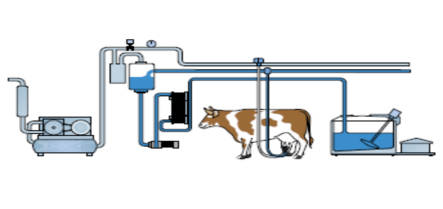
Raw milk procured from villages, contain numerous pathogenic and spoilage bacteria. These microorganisms, if allowed to grow, multiply at logarithmic rate and produce many toxins and enzymes and spoil milk. Hence milk is processed by heat treatment in dairies.
Various types of heat-treatment given to milk before reaches consumers
Sterilised milk refers to heating of milk sealed container continuously to a temperature of either 115°C for 15min or at least 130°C for a period of one second or more in a continuous flow and then packed under aseptic condition in hermetically sealed containers to ensure preservation at room temperature for a period not less than 15days from the date of manufacture.
Raw chilled Milk
No heat treatment given to the milk after collecting from the Farmers and chilling to less than 6°C on or before 4h.

Pasteurized Milk
Refers to the process of heating every particle of milk of different classes to at least 63°C and holding at such temperature continuously for at least 30min or heating it to at least 71.5°C and holding at such temperature continuously for at least 15 seconds and promptly cooled to less than 5°C.
Sterilised Milk
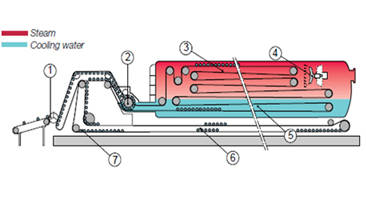
Sterilised milk refers to heating of milk sealed container continuously to a temperature of either 115°C for 15min or at least 130°C for a period of one second or more in a continuous flow and then packed under aseptic condition in hermetically sealed containers to ensure preservation at room temperature for a period not less than 15days from the date of manufacture.

UHT Milk (Ultra High Temperature Milk)
It is tending and modern technology to preserve the milk by heating. Milk is heated through a closed system. On the way it is preheated, highly heat treated, homogenised, cooled and packed aseptically. Milk usually treated at 135 – 150°C for a few seconds or no holding, by either indirect heating, direct steam injection or infusion and packing in aseptic design to eliminate the risk of reinfection.
Milk for every age group
NANDINI Milk is available in a variety of forms that are differentiated by their milk fat and other solids contents. Nutrition Facts on milk sachets can help you make choices for your family. Nutrition facts provided is for 100 ml of milk.
Nutritional Information per 100ml
| Nutritional Information Per 100 ml* | Double Toned Milk | Toned Milk | Homogenised Cow Milk | Special Toned Milk | Standardised Milk | Full Cream Milk |
|---|---|---|---|---|---|---|
| Energy, kcal | 48 | 60 | 65 | 71 | 73 | 90 |
| Carbohydrate, g | 5.0 | 4.8 | 4.8 | 5.0 | 4.8 | 5.0 |
| Of which sugar (Lactose), g | 5.0 | 4.8 | 4.8 | 5.0 | 4.8 | 5.0 |
| Protein, g | 3.5 | 3.3 | 3.3 | 3.3 | 3.3 | 3.5 |
| Fat, g | 1.5 | 3.1 | 3.6 | 4.1 | 4.6 | 6.1 |
| Minerals, g | 0.7 | 0.7 | 0.7 | 0.7 | 0.7 | 0.7 |
| Calcium, mg | 127 | 124 | 124 | 124 | 124 | 127 |
| Vitamin A, µg | 18 | 35 | 40 | 40 | 51 | 71 |
These variants are comes under pasteurised milk and has 2 days shelf life from packaging, when stored under refrigerated condition (<4°C).
Nandini UHT Milk:
UHT (Ultra High Temperature) Another continuous process/ technology known as ultra-high temperature (UHT) pasteurization, in which milk is heated to at least 135-150°C for a minimum of 1s, has been adopted by some segments of the dairy industry. When combined with aseptic processing/packaging technologies, the high heat treatment involved in UHT pasteurization produces a shelf-stable product that can be kept unrefrigerated until opened.
KMF has introduced UHT milk in under the name of Good Life and has following variants in this segment with different SKU’s for diversified group, including health conscious consumers.
- Nandini Good Life (3.0% Fat & 8.5% SNF),
- Nandini Good Life -Sampoorna (4.5% Fat & 8.5% SNF),
- Nandini Good Life Smart (1.5% Fat & 9% SNF),
- Nandini Good Life Slim (<0.5% Fat and 9% SNF).
These variants are available in the market in two types of packaging viz.,Fino Packaging system has 90days of shelf life and a 6 layer of multilayers barriers films i.e Brick packaging system with 180days shelf life. This product is finally the consumer’s gains in convenience as she/he can carry the products anywhere without refrigeration.